Rumble is a place to post videos, broadcast live, and grow a following, built around its own approach to discovery and earning. It arrived as a counterpart to the biggest video sites and became known for news, commentary, and a more hands-off style of moderation.
If the platform is new to you, what follows covers the essentials: getting your content live, how viewers come across it, the ways creators earn, and what makes Rumble different from the sites you probably already use.
Getting your videos live
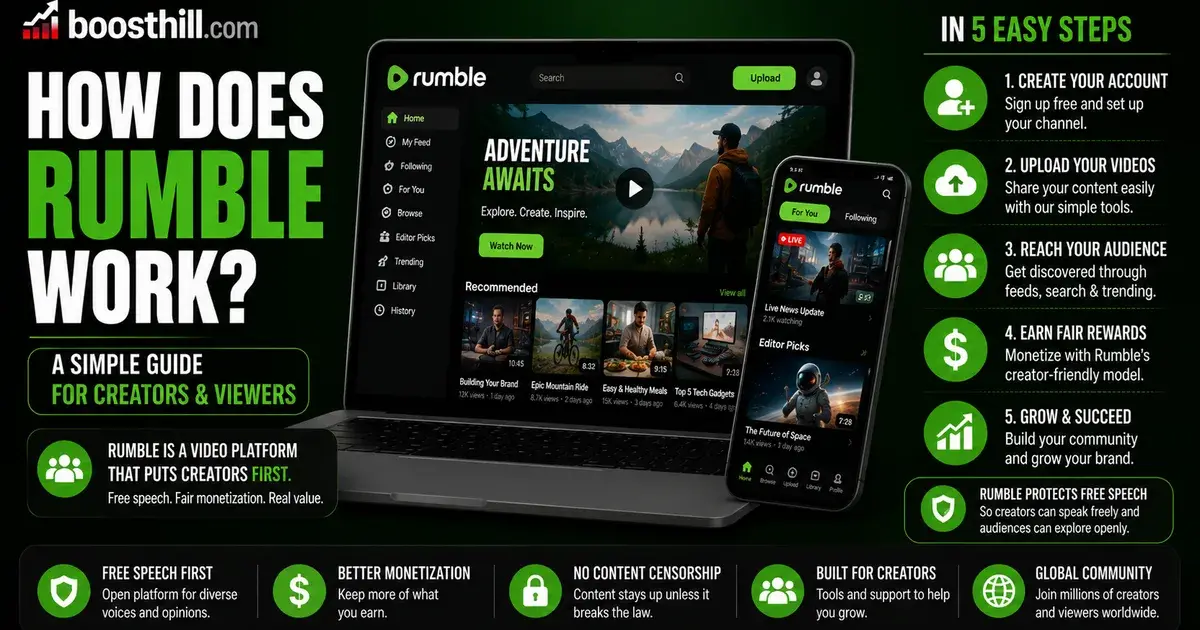
In its basic shape, Rumble behaves like most video sites: you set up a channel, add your videos, and share them with the people who follow you. Each upload can carry a title, a description, and tags to make it more findable, and live streaming is available too.
During the upload flow, you may be offered licensing options that allow your clip to be passed along to partners and outside outlets. It is one of Rumble's more distinctive features, and it stays optional, but read the fine print first: some selections limit where else the same video can appear.
- Set up a channel, then upload clips or broadcast live
- Fill in titles, descriptions, and tags so people can find you
- Optional licensing pushes your video to a wider set of outlets
- Certain licensing terms restrict where else you can post it
How viewers come across your work
On Rumble, videos turn up through search, browsing by category, the homepage feed, and suggested clips. Plenty of views also arrive from links people paste elsewhere, which for many creators is one of the biggest sources of traffic.
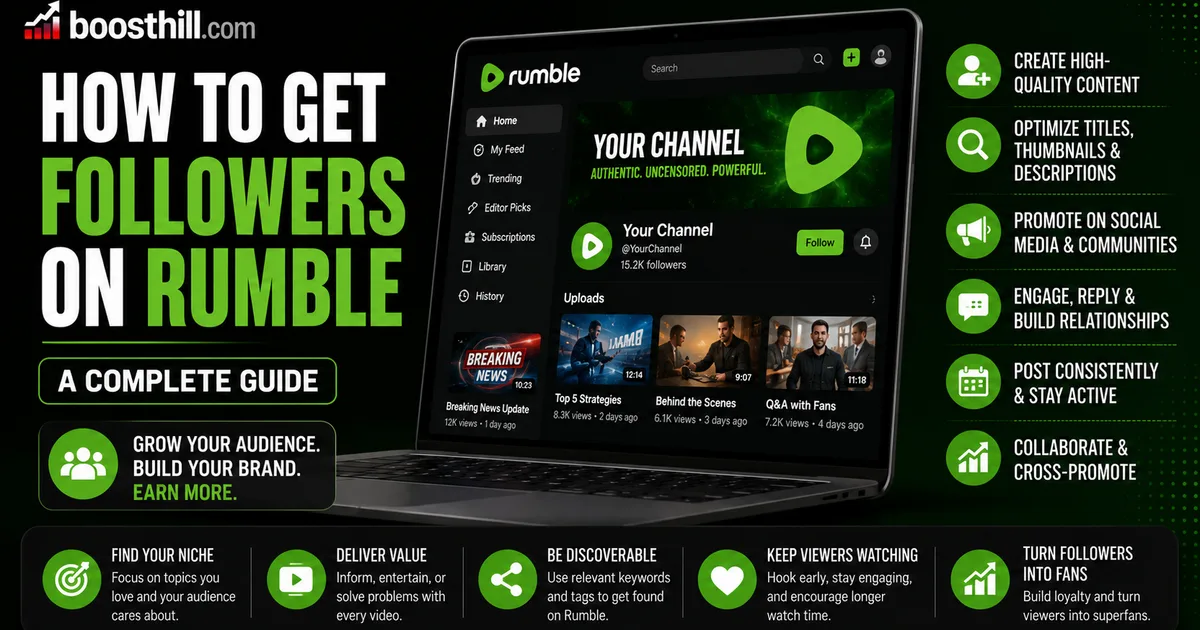
Since the platform's audience and its recommendation system are smaller than those of the giants, discovery on its own tends to be limited. That puts more weight on the fundamentals: descriptive titles, honest tags, and posting your links wherever else you have a presence — the things that help you reach new people.
The ways creators earn
There is more than one route to income here. Ads generate revenue against your views, a subscription-and-tipping setup lets fans back you directly, and the licensing model has Rumble place your video with partners while taking a cut of what it brings in.
What any of it actually pays comes down to your view counts, how much advertisers are spending, the subject you cover, and who is watching. Treat any exact per-view rate or split you find online as a rough guide only, since those figures shift over time. No platform, Rumble included, promises a set payout.
Earning usually means clearing Rumble's eligibility bar and staying within its rules, so check the live requirements inside your own account instead of trusting the specifics in dated write-ups.
- Ad income measured against your view counts
- Direct support through subscriptions and tips
- A cut of licensing revenue when your clip travels to partners
- Payouts fluctuate and carry no guarantee
Its stance on moderation
Rumble builds its identity around free speech and a lighter hand on moderation than you will find at the major sites. For certain creators, especially those in news and opinion, that alone is a big part of why they choose it.
That said, the site still has terms and rules, so a lighter touch is not the same as no limits at all. If policy is one of your reasons for looking at Rumble, go straight to its current guidelines rather than leaning on its reputation.
Where it stands apart from the giants
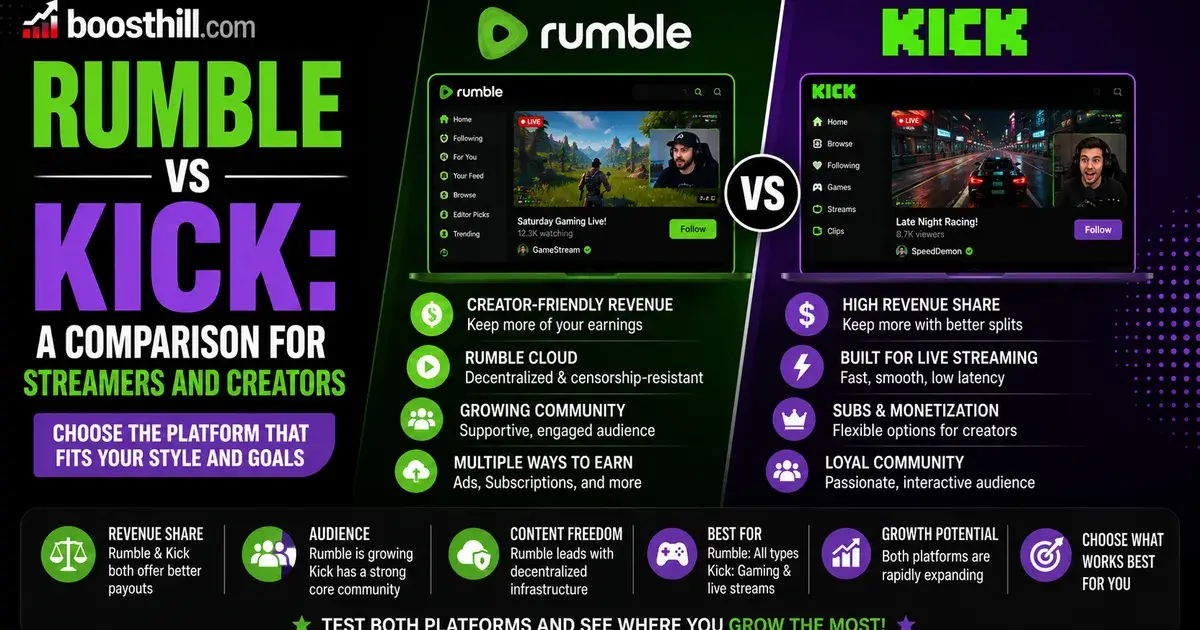
In brief: Rumble is the smaller player, tilts toward news and commentary, puts a licensing model front and center in a way the majors don't, and frames itself around a lighter moderation stance. The biggest platforms counter with much wider reach, more sophisticated recommendations, and a far larger pool of advertisers.
When you are getting established on Rumble, a bit of early credibility nudges new viewers toward hitting follow. Social WOW can help you start there, adding followers from real, active accounts with nothing more than your public channel link, and it works best paired with a steady posting habit, since a follower count on its own won't promise you views or earnings.