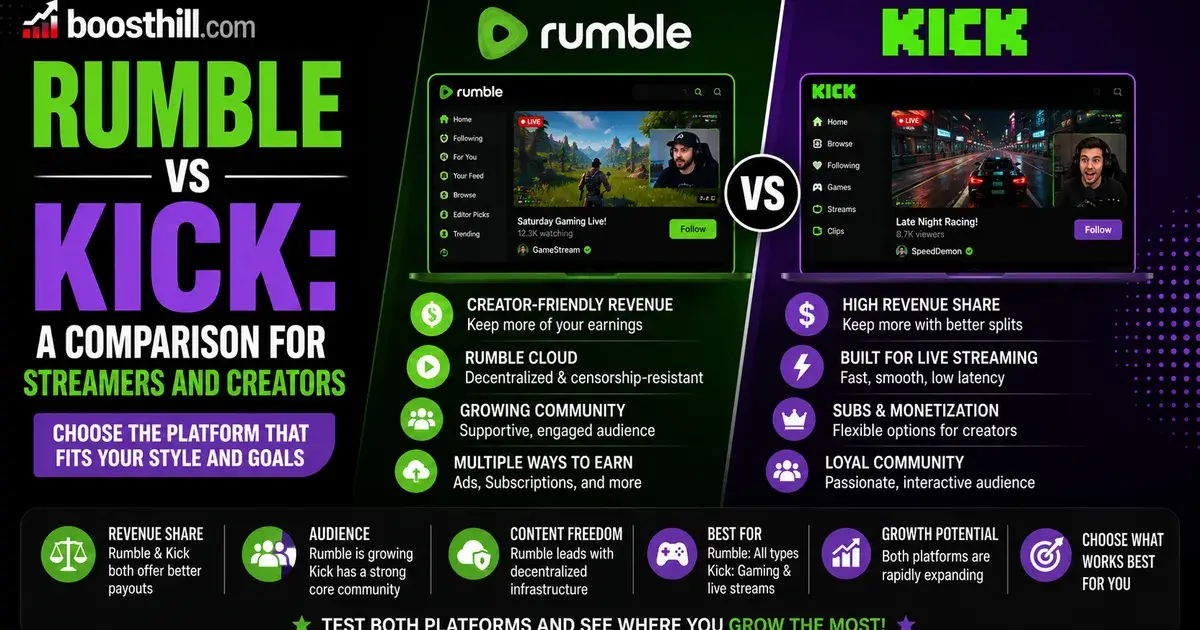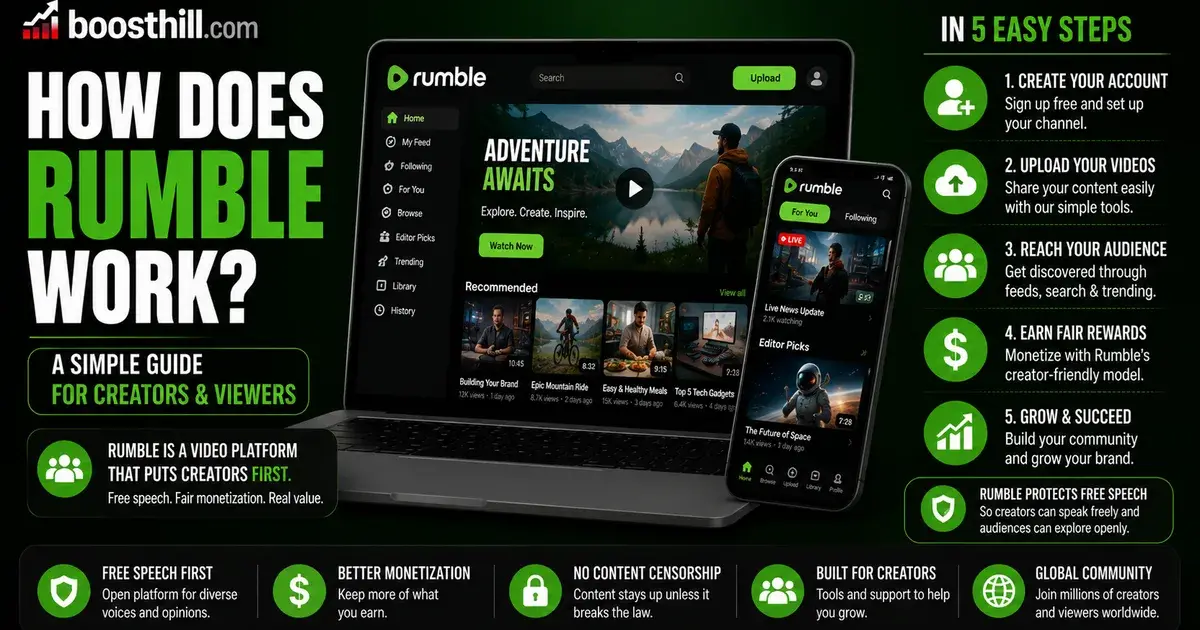
These two names get pitched against each other constantly, usually as some kind of showdown. Step back, though, and they look less like rivals than two distinct products that both happen to run on video. YouTube is the web's biggest video search engine, pulling in a huge and broadly general crowd. Rumble is the smaller of the two, tilted toward news, commentary, and creators drawn to a lighter touch on moderation and a different way of getting paid.
What follows stays on the things that decide where your effort is well spent: the reach of each audience, how videos surface, how the money reaches you, and the sort of creator each service favors. You won't find a trophy handed out at the end — the right pick comes down to what you make and where you want it to go.
How big each audience really is
On sheer reach, YouTube sits in its own tier. It ranks among the most trafficked sites anywhere, counts its logged-in viewers in the billions, and threads through Google search, living-room TVs, and phones. When the aim is the widest pool of people who might press play, little else comes close.
Rumble runs far smaller, yet small should not be read as pointless. A tighter audience can mean less of a scramble for attention within a niche, and people in news, politics, and commentary often turn up a genuinely engaged following there. The exchange is plain enough: YouTube brings scale, while Rumble offers a different setting that, for now, is less packed.
- YouTube: a vast, general crowd wired into Google search
- Rumble: smaller and more concentrated, often tilted to news and commentary
- Fewer creators fighting over the same niche on Rumble
- YouTube leads on raw findability and reach across devices
How viewers actually find your videos
YouTube leans on two engines: its search index and a finely tuned recommendation system. How long people watch, how often they click, and how long they linger across a session all shape whether the platform pushes your video to anyone. The field is crowded, but the reward is that one strong upload can keep collecting views for years.
Rumble's version is more straightforward and less of a sealed box, though its recommendation system and search index are smaller, which makes a standalone breakout there rarer than on YouTube. Plenty of creators treat the platform as somewhere they actively steer an existing audience toward, rather than counting on it to serve their videos up to strangers the way YouTube routinely does.
The money side: how each one pays
YouTube's Partner Program is well established and thoroughly documented. Clear the entry bar — broadly in the region of 1,000 subscribers alongside a watch-hours or Shorts-views requirement, with the precise numbers subject to change — and ad revenue, channel memberships, Super Chat, and other tools open up. What lands in your account swings hugely with your subject and where your viewers live.
Rumble pays through advertising, a subscription-and-tipping setup of its own, and a licensing route where a clip can be picked up and distributed more widely. That mix reads well for certain niches, and some creators describe the terms favorably, but income anywhere still comes back to views, advertiser demand, and who your audience is. Any per-view number floating around online is best treated as a loose estimate, since it moves all the time.
The candid version: YouTube gives you more ways to earn and a much deeper ad market, whereas Rumble puts forward a different model that some creators genuinely favor. Neither one promises you a paycheck.
- YouTube: ads, memberships, Super Chat, a Shorts fund, and a large ad market
- Rumble: ads, subscriptions and tips, plus the option to license
- Entry requirements and rates shift, so confirm the current figures
- On either platform, what you earn tracks with views and niche
Rules, moderation, and how much room you get
One of the main draws pulling creators toward Rumble is how it presents itself: lighter moderation with a free-speech message kept front and center. For certain people in commentary and politics, that setting feels less hemmed in than the way YouTube enforces its policies.
YouTube runs a tighter, more actively policed rulebook, which keeps things brand-safe for advertisers but can grate on creators whose work lives close to the boundaries. No answer here is right for everyone — it turns on the content you produce and how much policy risk you're willing to shoulder.
So where should you build?
If you're after the broadest reach, long search staying power, and the fullest set of earning tools, YouTube stays the natural home base. For anyone in news and commentary, anyone drawn to a different payout model, or anyone wary of leaning on a single platform, Rumble makes a sensible second base — and plenty of creators simply publish to both.
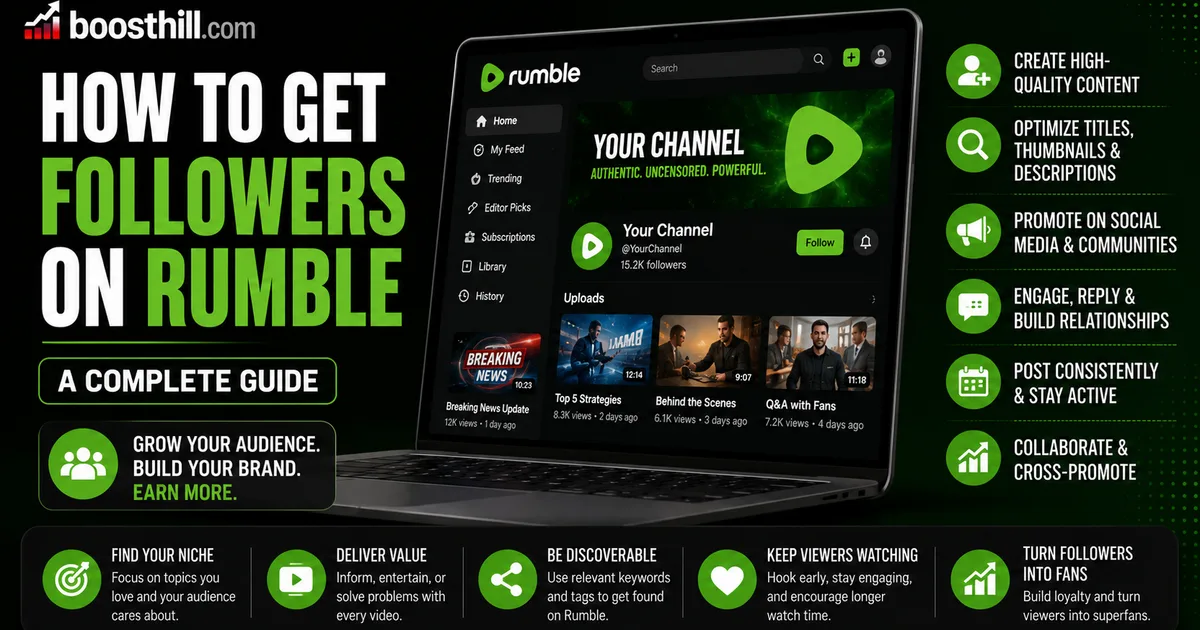
Should you decide to grow on Rumble, a little early social proof goes a long way. A channel that already carries a visible follower count tends to read as more credible to a newcomer landing there from someone's link or a cross-post. That early credibility is where Social WOW can help — supplying followers from genuine, active accounts and needing only your public channel link. Keep it paired with steady uploads, though, since followers on their own never promise views or payouts.